
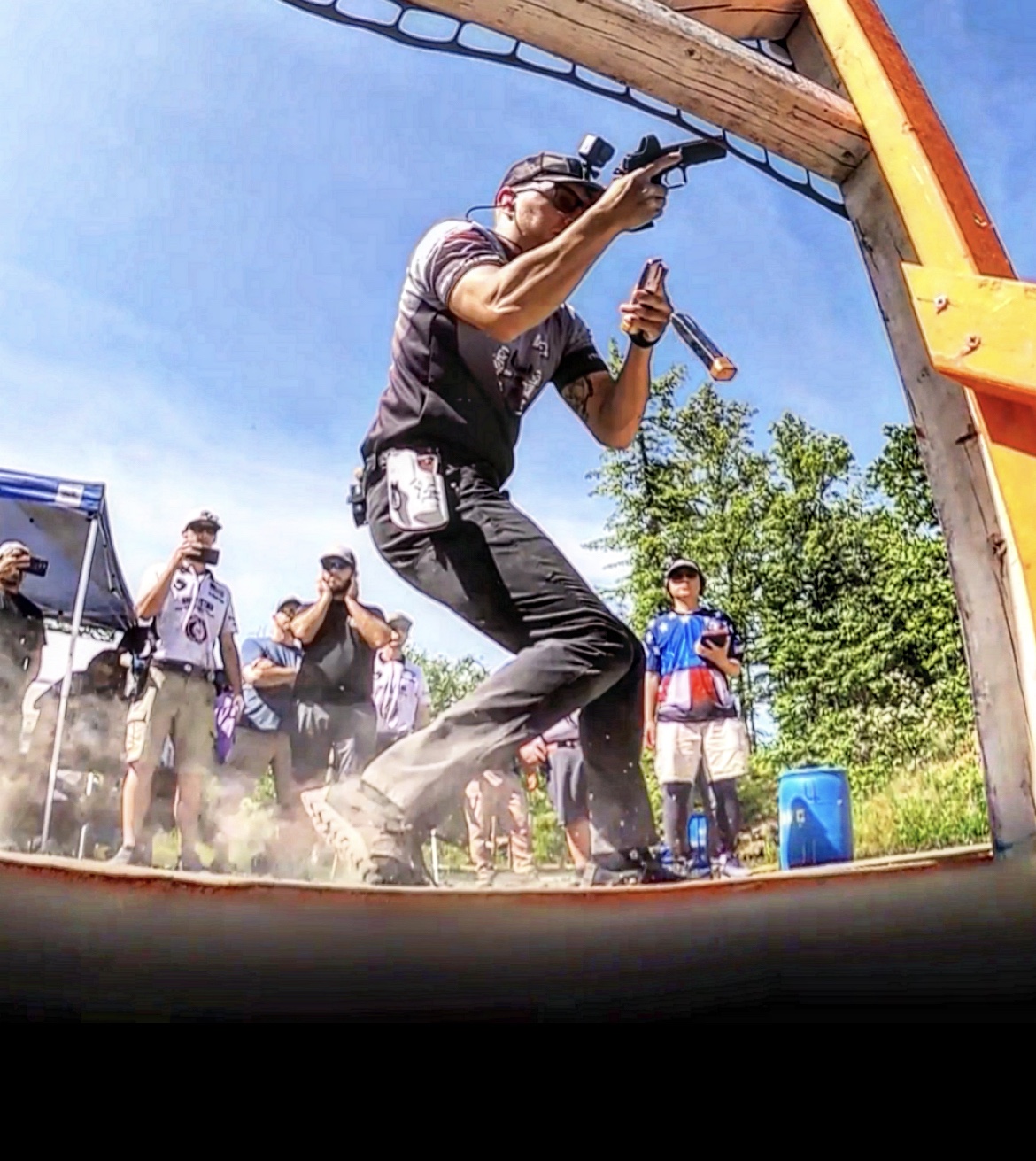
Practical shooting sports provide an excellent opportunity for individuals to enhance their shooting skills and proficiency with firearms. This article aims to highlight the advantages of engaging in practical shooting and offers valuable insights for beginners. Additionally, it emphasizes the importance of personal training and self-improvement in the context of law enforcement and military professions.
The Need for Proficiency:
Regardless of one’s job title, carrying a firearm without being proficient presents inherent dangers. Holding prestigious positions does not guarantee effective firearm handling skills. Therefore, it becomes crucial to prioritize individual training to address this concern effectively.
Training Limitations:
Limited budgets and training hours present challenges for law enforcement agencies and military units. This is a prevalent issue that underscores the importance of personal initiative in acquiring and developing skills.
Embracing Practical Shooting:
Participating in practical shooting sports provides a competitive environment that fuels the drive to excel. Engaging in monthly matches encourages regular practice sessions, including dry-firing exercises at home to enhance performance in subsequent competitions.
Overcoming Time Constraints:
Recognizing the demands of full-time jobs and family commitments, it is essential to acknowledge the importance of multidimensional skills for law enforcement officers. However, it is vital not to deceive oneself about proficiency. Free resources available for practical shooting allow individuals to become highly skilled in using their carried firearms.
Alarming Statistics:
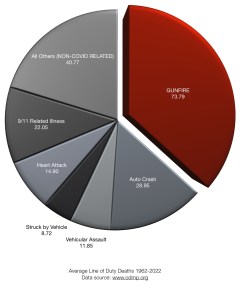
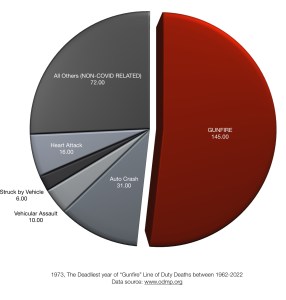
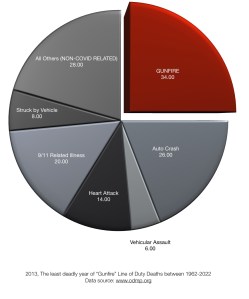
Considering historical data from ODMP.org, gunfire has been a leading cause of death for police officers over the years, highlighting the significance of firearms proficiency training.
Benefits of Practical Shooting
Improved Job Performance:
Engaging in competitive shooting initially aims to enhance job-related firearm skills and boost confidence. However, it often unlocks hidden levels of performance and passion for shooting, leading to increased participation in practical shooting sports.
Dispelling Misconceptions:
In the realm of competitive shooting, it is crucial to acknowledge the distinctions between this context and real-life scenarios. By recognizing these differences, we can develop a more comprehensive understanding of the sport. It is important to avoid conflating a match with an actual life-threatening situation, as this could suggest a potential misunderstanding of the significance of practicing the fundamental skills. As someone experienced in shooting, I believe that regardless of the context, shooting itself remains a vital aspect.
Challenging the Ego:
Entering the world of practical shooting can be humbling. By consuming relevant content and seeking guidance from accomplished shooters, one can prepare better. Regardless of one’s professional background, success in practical shooting sports depends on dedication and effort.
Getting Started
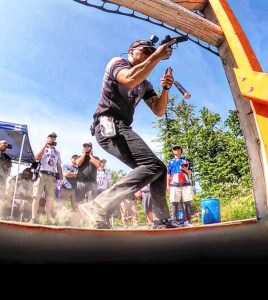
Types of Practical Shooting Sports:
Several organizations cater to different shooting disciplines. Here are a few prominent ones:
• USPSA (United States Practical Shooting Association)
USPSA is dedicated to dynamic shooting, placing a strong emphasis on practical shooting skills, speed, and precision. With a wide range of divisions available, USPSA organizes matches at the local, regional, and national levels to cater to shooters of all skill levels and interests.
• PCS League
PCSL provides an accessible yet challenging opportunity to test your marksmanship skills against fellow competitors. Designed to be inclusive, PCSL welcomes shooters from all backgrounds. What sets PCSL apart is its common-sense rules that prioritize safety and fairness without harsh penalties for procedural errors. The league also offers exciting divisions that allow participants to use the latest equipment, whether for professional use or competitive racing.
• Steel Challenge
Steel Challenge shooting is a fast-paced discipline focusing on speed and accuracy. Shooters engage a series of steel targets in various configurations and distances, aiming to complete stages quickly with precise hits. It emphasizes quick target acquisition, rapid follow-up shots, and efficient gun handling. The sport offers divisions for different skill levels and firearm types, attracting both recreational and competitive shooters seeking a dynamic challenge.
• 3 Gun / 2 Gun Matches / Multi Gun
Multi-gun competitions require participants to navigate through demanding courses of fire that integrate various platforms such as rifles or pistol caliber carbines, shotguns, and pistols. These dynamic events feature fast-paced stages that thoroughly examine the speed and accuracy of shooters across multiple firearms.
• NRA (National Rifle Association)
The NRA provides an extensive selection of shooting disciplines, encompassing rifle, pistol, shotgun, and multi-gun competitions. As one of the country’s oldest and most renowned shooting sports organizations, it offers a rich history and reputation in the field.
• PRS (Precision Rifle Series)
PRS is committed to the realm of long-range precision rifle competitions. It presents demanding scenarios that put marksmanship skills, positional shooting, and ballistics knowledge to the test.
• Tactical Games
The Tactical Games is an exhilarating shooting competition that merges physical fitness and shooting prowess in an immersive and demanding setting. Competitors partake in a succession of stages designed to replicate real-world situations, demanding the navigation of obstacles, completion of physical challenges, and demonstration of shooting expertise under pressure. By emphasizing the fusion of tactical training, strength, stamina, and precision shooting, the Tactical Games presents a holistic examination of participants’ physical and mental capabilities.
• GSSF (Glock Sport Shooting Foundation)
GSSF matches are shooting competitions organized by the Glock Sport Shooting Foundation (GSSF) exclusively for Glock firearm owners and enthusiasts. These matches consist of multiple stages where participants demonstrate their shooting skills using Glock pistols. GSSF matches are renowned for their inclusive and friendly environment, attracting shooters of various skill levels. Participants compete within their respective divisions based on age, gender, and skill level. GSSF matches offer Glock owners a chance to compete, enhance their shooting abilities, and connect with fellow enthusiasts in a supportive community.
• IDPA (International Defensive Pistol Association)
IDPA centers around defensive pistol shooting, simulating real-life self-defense situations. Participants partake in practical stages that demand accuracy, speed, and the strategic utilization of cover.
• IPSC (International Practical Shooting Confederation)
IPSC serves as an international governing body for practical shooting competitions, organizing matches that evaluate shooters’ abilities across a range of courses of fire. These matches encompass multiple targets, require movement, and present diverse shooting challenges. In the United States, the USPSA operates as the national governing body for practical shooting under the umbrella of IPSC.
Your First Match
Every shooting sports organization has its own set of rules, and it is highly recommended for new shooters to familiarize themselves with these regulations before participating in a match. While the abundance of rules might seem overwhelming at first, it’s important not to get discouraged. Rest assured, there will be plenty of experienced individuals at the match who are more than willing to assist you with any questions or concerns you may have regarding the rules. Remember, the primary focus is on safety, and every effort is made to ensure a safe environment. There is absolutely no reason for anyone to refrain from participating and embracing the opportunity to compete.
With its distinction as the largest practical shooting organization in the United States, boasting a membership of over 35,000 members and a network of more than 500 affiliated clubs, the USPSA holds a prominent position in the shooting community. As someone who has experienced the thrill of shooting USPSA matches firsthand, I am excited to guide you through the process of participating in your inaugural USPSA match.
While many practical shooting matches share similar registration procedures, let’s delve into the specific steps for USPSA.
Podcasts:
To expand knowledge and gain insights from experts in the field, the following resources are highly recommended:
• Firearms Nation Podcast hosted by Arik Levy
• Training Group Live by Joel Park
• Practical Shooting After Dark hosted by Ben Stoeger
• That Shooting Show hosted by Steve Anderson
Recommended Reading:
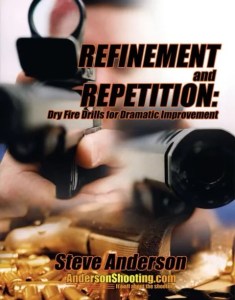
To delve deeper into the world of practical shooting, consider exploring books authored by experienced shooters such as Ben Stoeger, Steve Anderson, Mike Seeklander, and Joel Park.
Practical Shooting Training By Ben Stoeger
Steve Anderson’s books
These recommended books will greatly aid you in your practice sessions.

Classes:
After gaining some experience in shooting USPSA matches, I highly recommend considering these reputable instructors who offer top-notch classes.
• Ben Stoeger
• Hwansik Kim
• JJ Racaza
• Sean Griffith
• Mason Lane
• Steve Anderson
Videos:
While attending classes provides a valuable hands-on experience and the chance to seek immediate clarification, there is a wealth of informative videos available that explain specific concepts with great clarity.
Social media accounts such as those of Sean Griffith and Ben Stoeger offer concise clips that delve into shooting fundamentals. Notably, Ben Stoeger’s comprehensive classes on YouTube provide intriguing free content.
If you prefer a more personalized approach without attending physical classes, Practical Shooting Training Group offers the opportunity to access training videos and receive helpful shooting tips from Ben, Hwansik, and Joel.
Gear Selection:
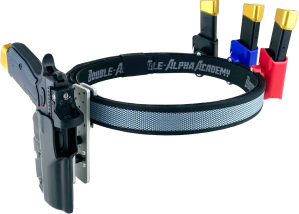
Gear requirements vary depending on the chosen shooting sport. For USPSA, the following websites offer a wide range of gearoptions:
• BenStoegerProshop.com
• ShootersConnection.com
To achieve high proficiency with carried firearms and gear, it is recommended to use the same equipment during competitions. Although certain gear choices might hinder winning chances at an advanced level, the skills developed through competitive shooting transfer effectively to any firearm.
Policy regarding gear can be found in the organization’s rule book.
Signing Up for Matches:
To participate in matches, create a free account on PractiScore.com. Search for local matches in your area through PractiScore or the Find Clubs feature on the USPSA app, keeping in mind that registration may open one or two weeks before the event.
What to Expect at Your First Local USPSA Match:
Local USPSA matches foster a supportive culture where participants are willing to help one another. While it is a competition, most shooters primarily strive to improve their individual performance. Arrive early to assist with stage setup and attend the new shooter brief to ensure safe firearm handling.
Additional Gear Considerations:
Observe what other shooters use to transport their bags and ammunition. Many opt for collapsible wagons or carts, as carrying equipment from stage to stage can be physically demanding. Don’t forget to bring essential items such as water, a mag brush or rag, and suitable footwear like trail running shoes. Over time, you’ll refine your own system based on experience.
Preparing for Major Matches:
Once you feel comfortable with local matches, consider participating in major events categorized as Level II, III, or national matches. Before the competition, review the matchbook for any unique stage requirements or elements that require practice. Keep in mind that stage setups might differ from the matchbook. Arriving a day before allows you to walk through the stages, either with a physical matchbook or by taking videos for reference. Respect the presence of staff members shooting the match and ask for permission before examining the stages.
Conclusion
Participating in practical shooting sports is an excellent way to enhance firearm proficiency and unlock hidden levels of performance. By engaging in regular practice and seeking knowledge from experienced shooters, individuals can develop the skills necessary to excel in these competitions. Remember, practical shooting complements professional training and fosters a deeper passion for shooting.
-Wes
 U Suck At Shooting
Leave a comment