
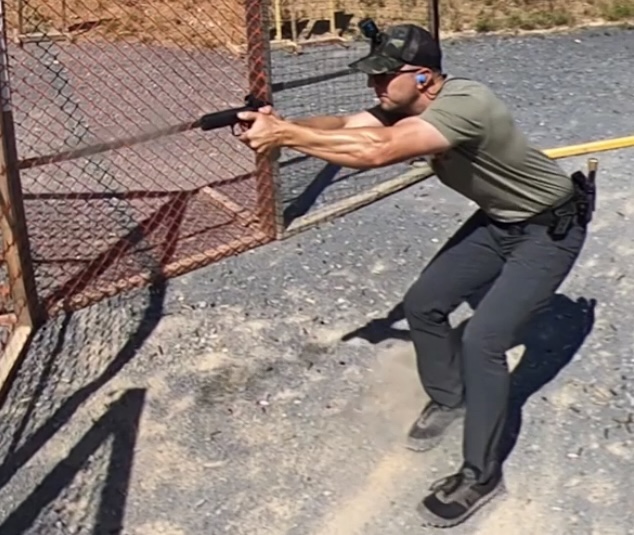
Mastering the execution of a stage plan is crucial for success in USPSA shooting. This step-by-step guide, developed by Steve Anderson, provides valuable insights and strategies to optimize your performance on the range and achieve better results in future matches.
1. Analyze
Begin by thoroughly analyzing the stage. Pay close attention to the start position, gun condition, number of targets, and round count. This analysis will help you understand the stage layout and plan your approach effectively.
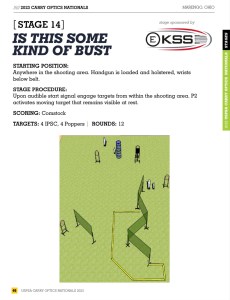
Stage 14 from the 2023 USPSA Carry Optics Nationals
While the written stage brief provides the majority of the necessary information, exercise caution when formulating a stage plan solely based on its contents, as the actual stage may deviate from the described details.
The matchbook serves a primary purpose: to allow you to practice and address any weaknesses in your game well in advance of the match. This includes areas such as unloaded starts or support hand shooting.
2. Strategize
Once you have analyzed the stage, it’s time to develop a strategy that suits your individual skill set. Consider your strengths and weaknesses, and create a plan that maximizes your abilities. Remember that what works for a top 10 national shooter may not be the best fit for you. Instead, focus on executing a solid stage plan that plays to your strengths. Additionally, think about blending or eliminating positions to optimize your movement and minimize time wasted.
3. Memorize
After creating your stage plan, spend time committing it to memory. Visualize the sequence of actions, transitions, and target engagements. Familiarize yourself with the position of each target and plan your movement accordingly. By memorizing the stage plan, you can confidently execute it without hesitation. This step is crucial for maintaining a smooth and efficient performance.
4. Visualize
Visualization is a powerful technique that can enhance your performance. Before stepping up to shoot, mentally rehearse the stage multiple times. Visualize yourself smoothly moving through the course, landing your foot in a designated position, acquiring specific spots on targets quickly, and executing reloads seamlessly. Imagine each aspect of the stage in detail, creating a vivid mental image.
Visualizing the stage repeatedly (until it is your time to shoot) helps solidify your plan and boosts your confidence. This mental preparation will carry over into your actual performance.
Now it’s your turn to shoot.
“Make ready.”
During this phase, ensure that you perform a smooth and efficient draw, establish a clear sight picture, and load your firearm. As you holster your gun, keep your hand on it to indicate to the Range Officer that you are not yet ready. Use this moment to visualize the stage one final time, reinforcing your plan in your mind. Then, let go of conscious thoughts about the stage, trusting that your preparation and visualization repetitions have ingrained the plan in your mind.
Once you clear your mind of any distractions, center your attention solely on a concise and powerful focus phrase. For instance, my personal focus phrase is ‘Grip the gun.’ By employing this phrase, I momentarily set aside my stage plan, allowing it to operate in the background, and concentrate on executing a solid support hand grip on the gun. A properly visualized plan should be deeply ingrained, enabling you to adapt as necessary (makeup shots, gun malfunctions) and swiftly regain your momentum.
“Are you ready? Stand by!”
Eagerly await the audible beep that signals the start of your run. As you are shooting, aim to achieve a state of focused detachment, as if watching your own actions unfold effortlessly. Trust in your well-established shooting fundamentals and stage plan, allowing them to effortlessly guide your performance from within. The degree to which you experience this sensation serves as a reflection of the frequency and quality of your practice.
By following these steps and trusting in your preparation, you’ll be able to execute your stage plan with precision. This will lead to better results in future USPSA matches and enhance your overall shooting performance.
Etiquette
During the stage walkthrough, it is important to observe proper etiquette to ensure a smooth experience for everyone. Here are two key points to keep in mind:
1. When leaving the last shooting position, exit out the rear to avoid disturbing others who are also walking the stage. Do not swim upstream and create unnecessary disruptions.
2. Once your squad has begun shooting, give the opportunity to walk the stage again only to the person who is shooting next. This ensures fairness and avoids unnecessary delays.
By adhering to these etiquette guidelines, you contribute to a positive and respectful shooting environment.
Now that you have a clear understanding of the steps involved in executing a stage plan and the importance of proper etiquette, put your knowledge into practice and strive for excellence at your next match!
-Wes
 U Suck At Shooting
Leave a comment